Small doesn’t have to mean cramped. Whether you’re in a studio
apartment, a compact city condo, or just working with an awkward layout,
the right furniture can make a small room feel open, organized, and
genuinely enjoyable to live in. At Ayla Home Collection, this is the
exact problem we design around — modern furniture built for small spaces
and urban living, without asking you to give up style or comfort.
Here’s how to actually furnish a small space well, plus nine pieces
worth building your room around.
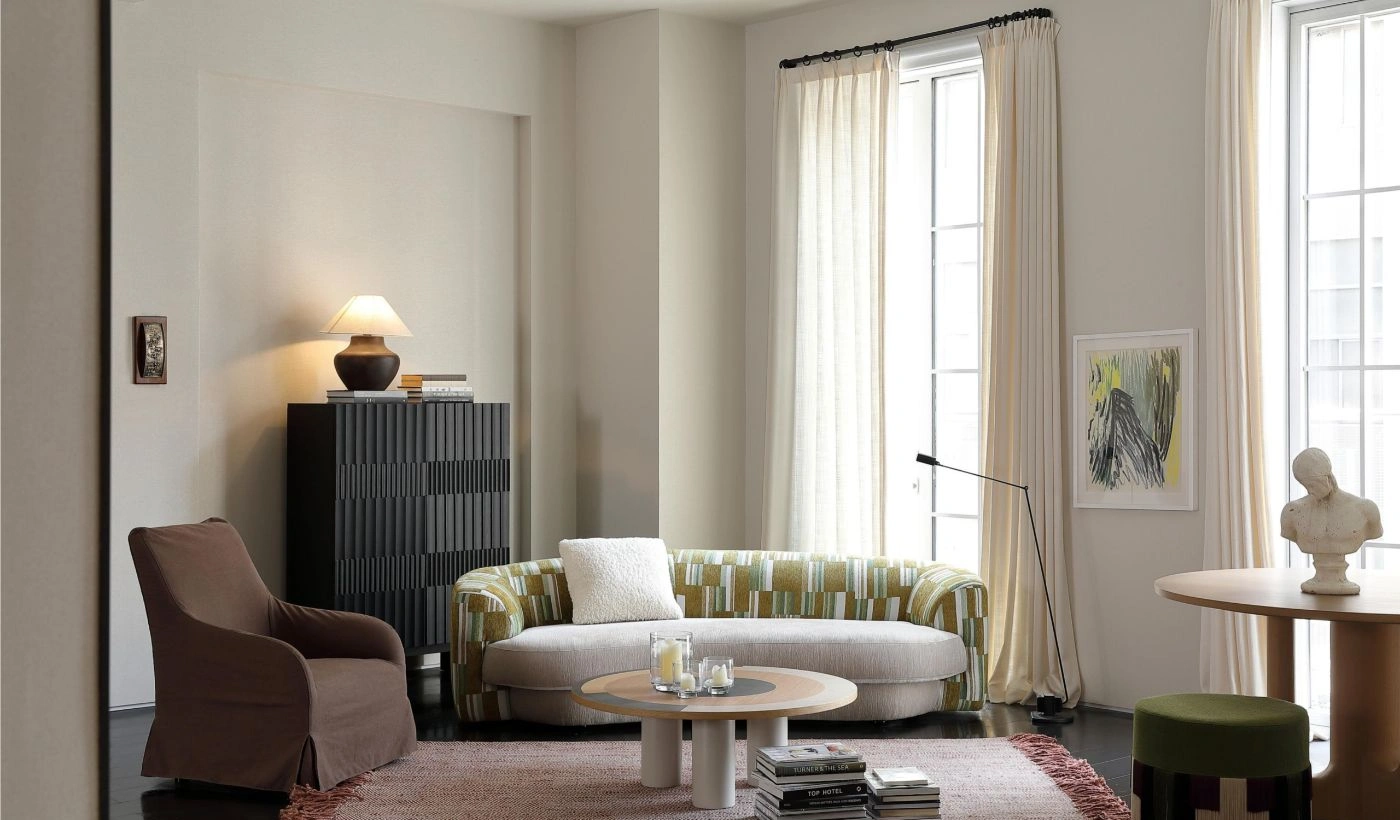
Start With the
Layout, Not the Shopping List
Before you buy anything, walk through your room and answer three
questions: Where does the eye land first when you walk in? What’s the
main traffic path through the room? And what’s the one piece of
furniture you use every single day?
Most small-space furniture mistakes come from buying pieces that look
good in isolation but fight each other for floor space. A general rule
that works in almost any small room: leave at least 30 inches of
walkable path between major pieces, and keep your largest item against
the longest unbroken wall so the rest of the room stays open.
1. A Sofa Sized to
the Room, Not the Showroom
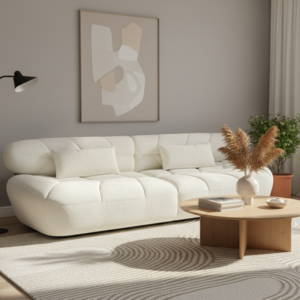
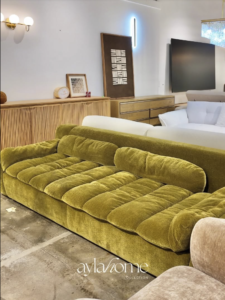
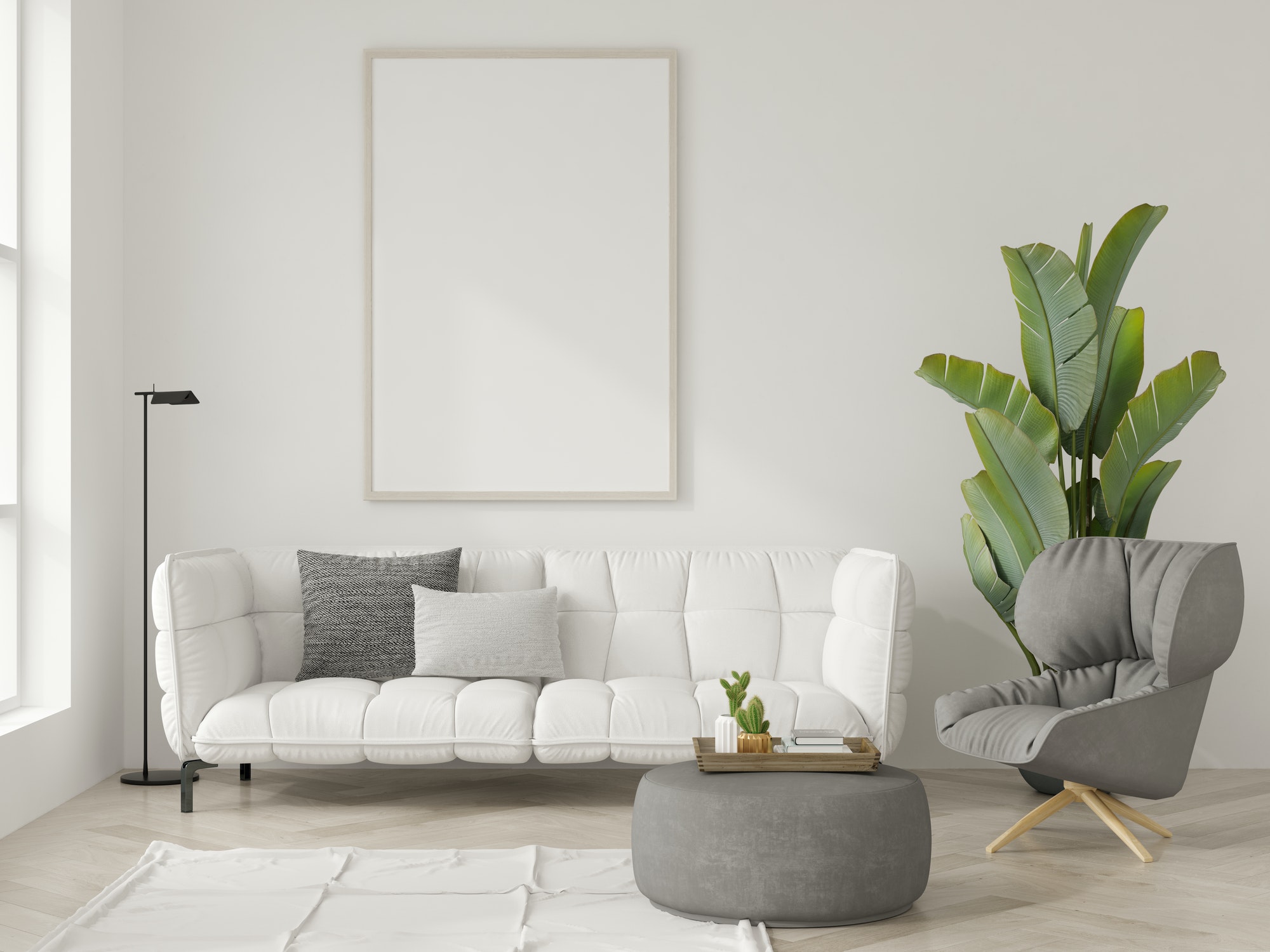
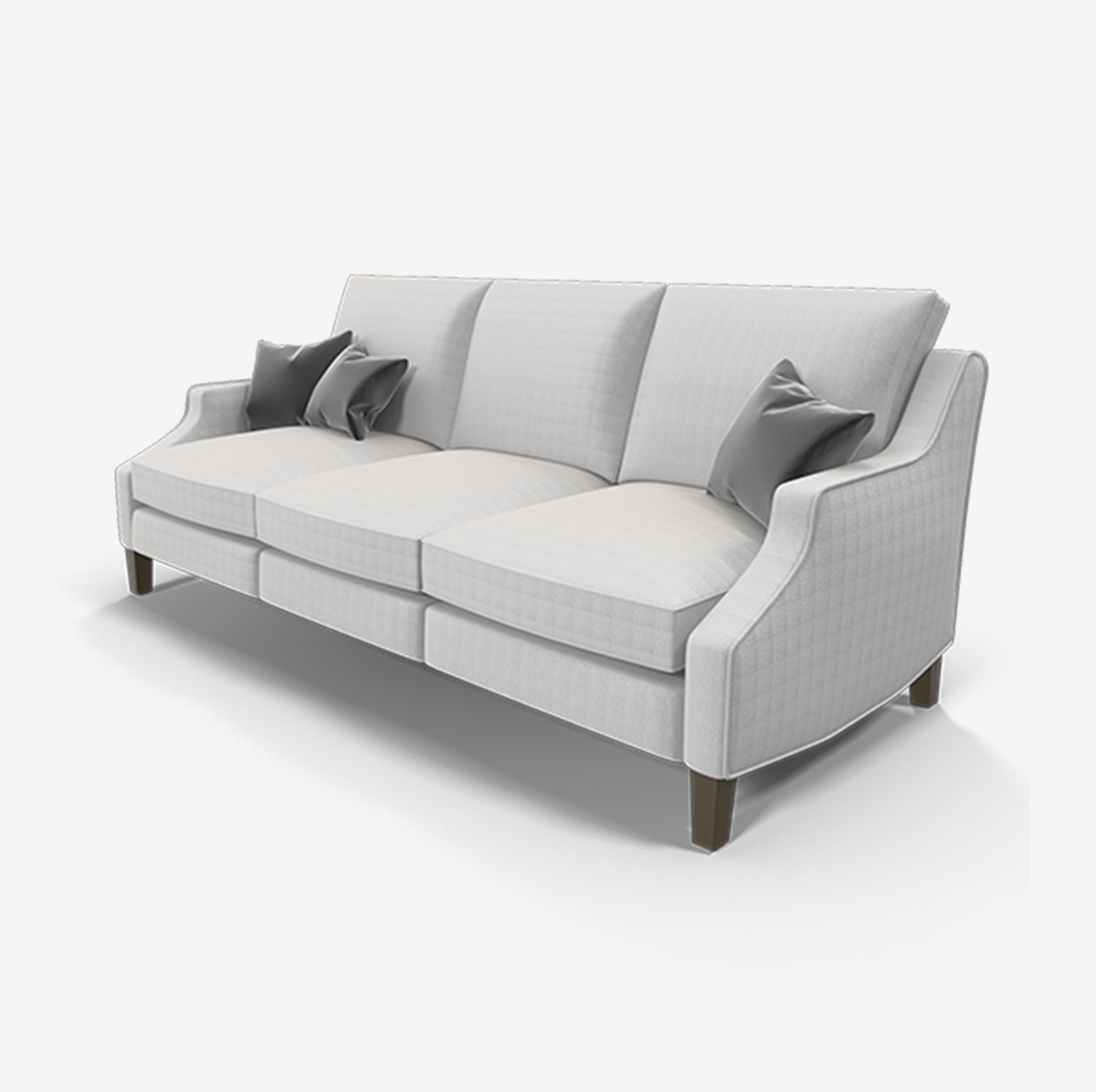
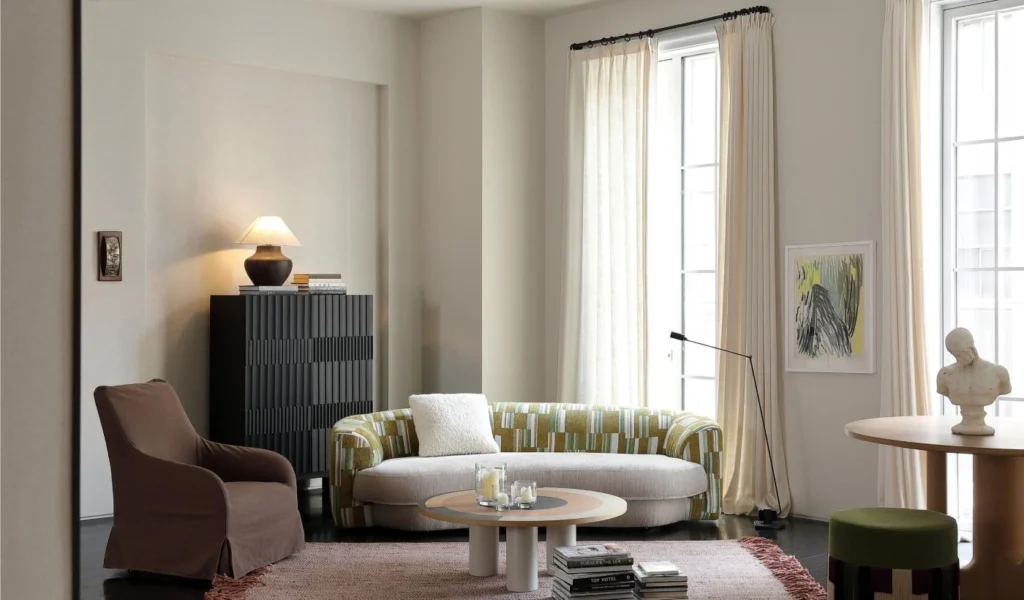
The single most common small-space mistake is buying a sofa that
looked “medium” in a big showroom and turns out to dominate a small
living room. Measure your space first, then look for a sofa with slim,
tapered arms and visible legs — visible legs let light pass underneath,
which makes a room read as larger even though the sofa itself hasn’t
shrunk.
Browse sofas
built for smaller living rooms in our Living collection.
2. A Coffee Table With
Storage Built In
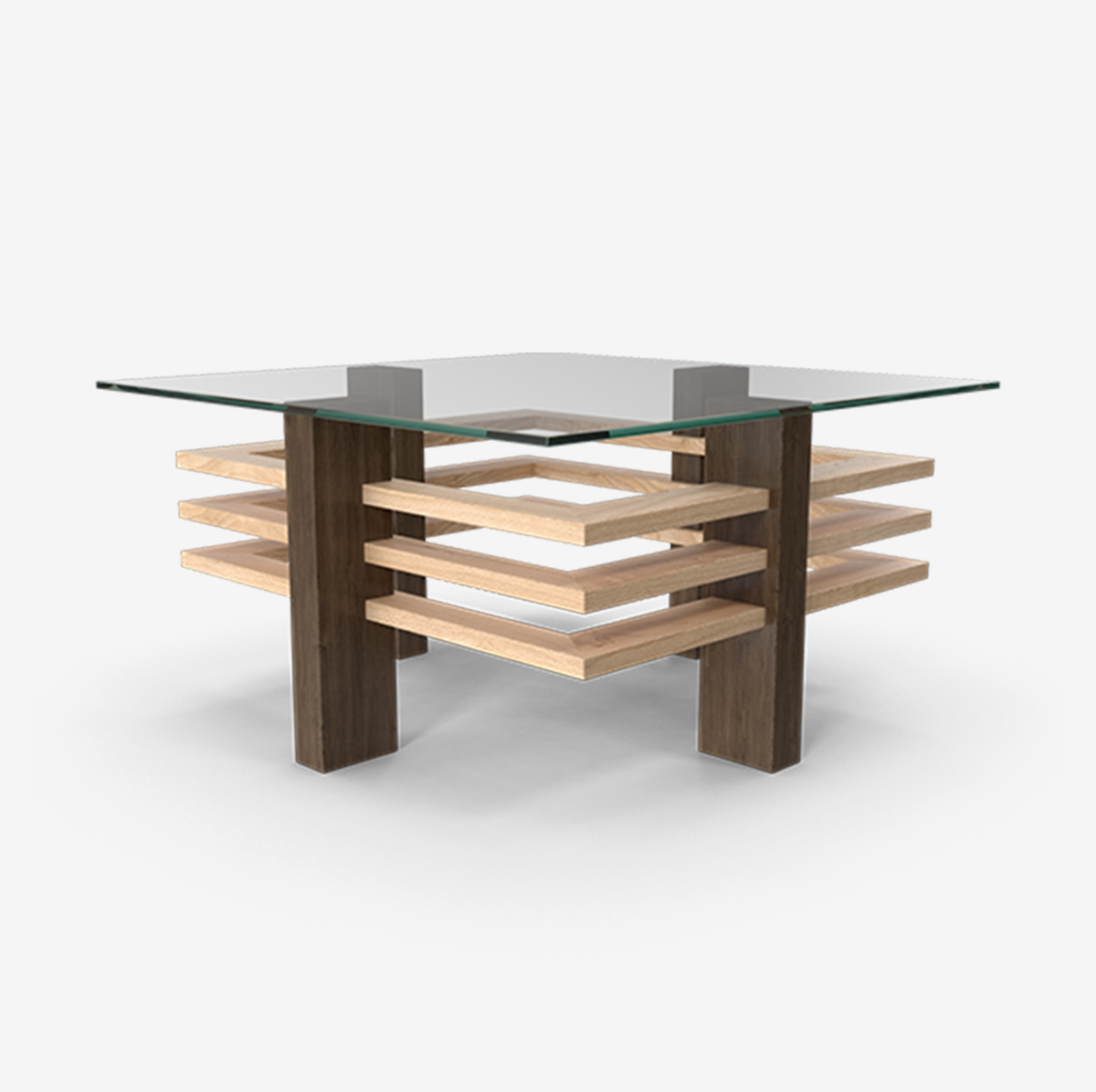
In a small living room, every surface should earn its keep. A coffee
table with a shelf, drawer, or lift-top not only replaces a side table
you don’t have room for — it gives you a place to stash remotes,
coasters, and blankets so the room doesn’t visually clutter up by
7pm.
See our space-conscious
coffee tables.
3. Nesting or
Accent Tables Instead of a Fixed Set
A pair of nesting accent tables gives you the flexibility of two
surfaces when you’re entertaining and the footprint of one when you’re
not. This is one of the easiest upgrades for small apartments because it
solves the “I need extra surface space sometimes, not always”
problem.
Explore accent
tables that tuck away when you don’t need them.
4. An Armchair With a
Narrow Footprint
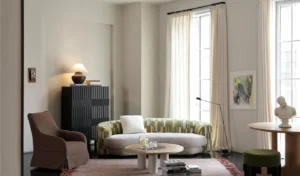
A single well-proportioned armchair does more for a small living room
than a loveseat, because it can be pulled into a corner, angled toward a
window, or moved for guests without a second person’s help. Look for a
slim frame and a seat height under 18 inches, which keeps sightlines
open across the room.
Browse our armchair
collection.
5. An Ottoman That Multitasks
An ottoman is the most underrated small-space piece there is. Used as
a footrest, extra seating for guests, or (with a tray on top) a coffee
table stand-in, it flexes to whatever the moment needs — and stores away
against a wall when it doesn’t.
See our full range of ottomans,
including options with hidden storage.
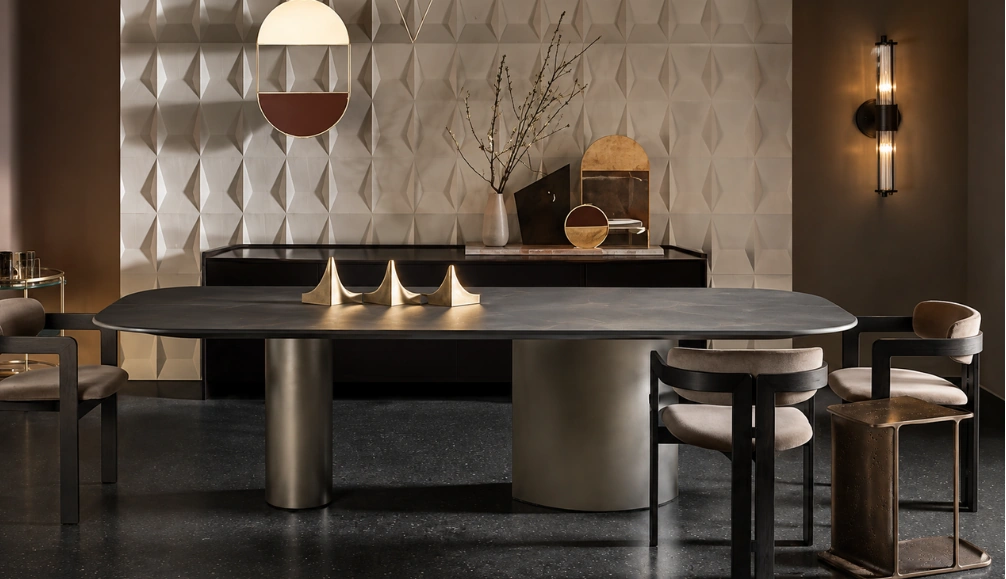
6. A Dining Set That Scales
Down
You don’t need a six-seat dining table to have a real dining space. A
compact two-to-four-seat table with chairs that tuck fully underneath
(rather than benches that stick out) gives you a proper dining area
without eating into your living room’s walking space.
Take a look at dining
table sets designed for smaller footprints.
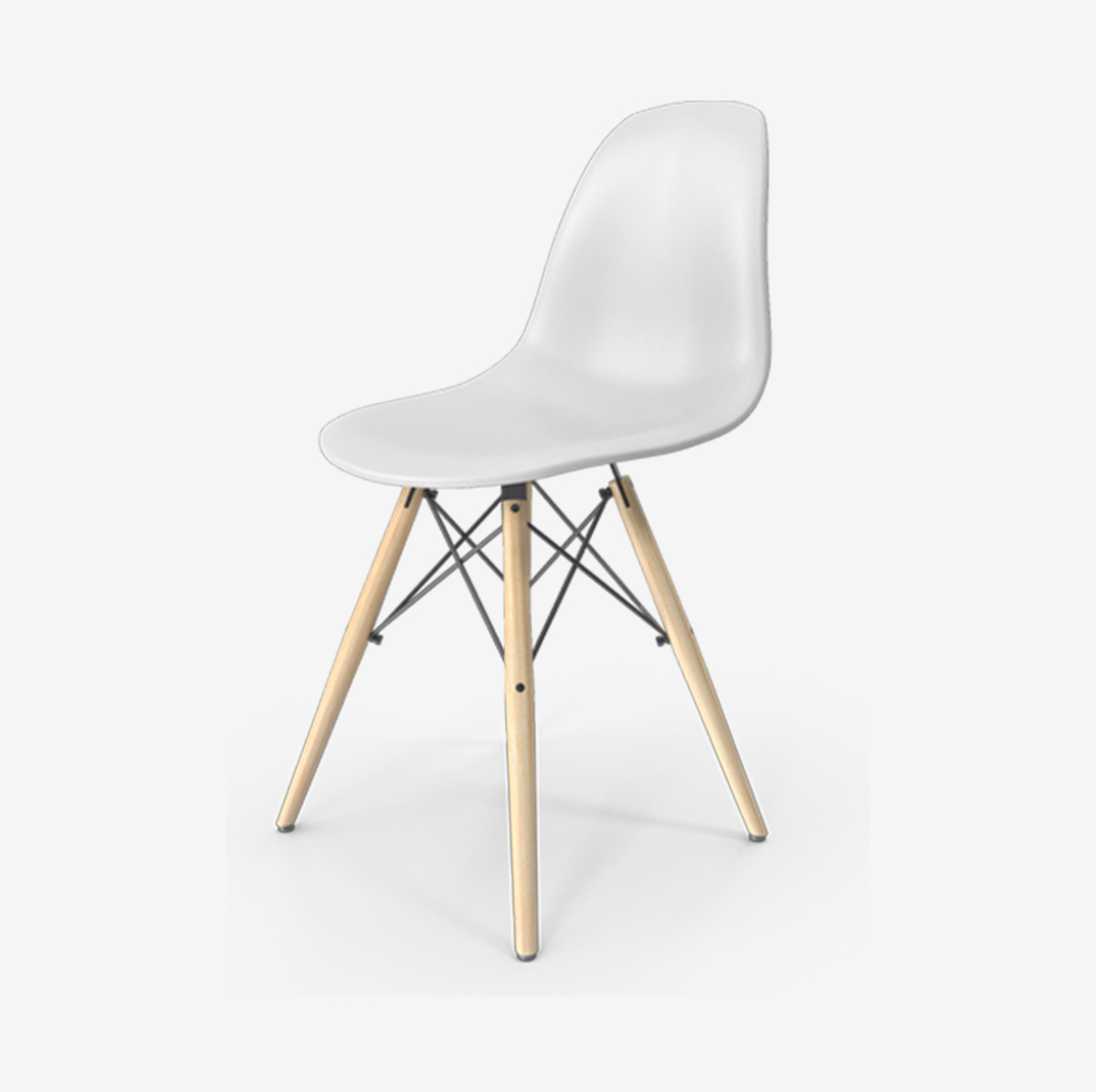
7. Dining Chairs
That Stack or Slide In Flush
Pair a scaled-down table with dining
chairs that push in flush to the table edge, or that are light
enough to move around as extra seating elsewhere in the home. This is a
small detail that makes a bigger practical difference than most people
expect.
8. A Media
Console That Replaces Three Pieces at Once
A media console with closed storage can do the job of a TV stand, a
bookshelf, and an entryway catch-all drawer combined. In a small living
room, consolidating three “maybe I need this” pieces into one
well-designed console is often the single biggest space win
available.
Browse our media
console collection.
9. A
Sideboard for Everything That Doesn’t Have a Home Yet
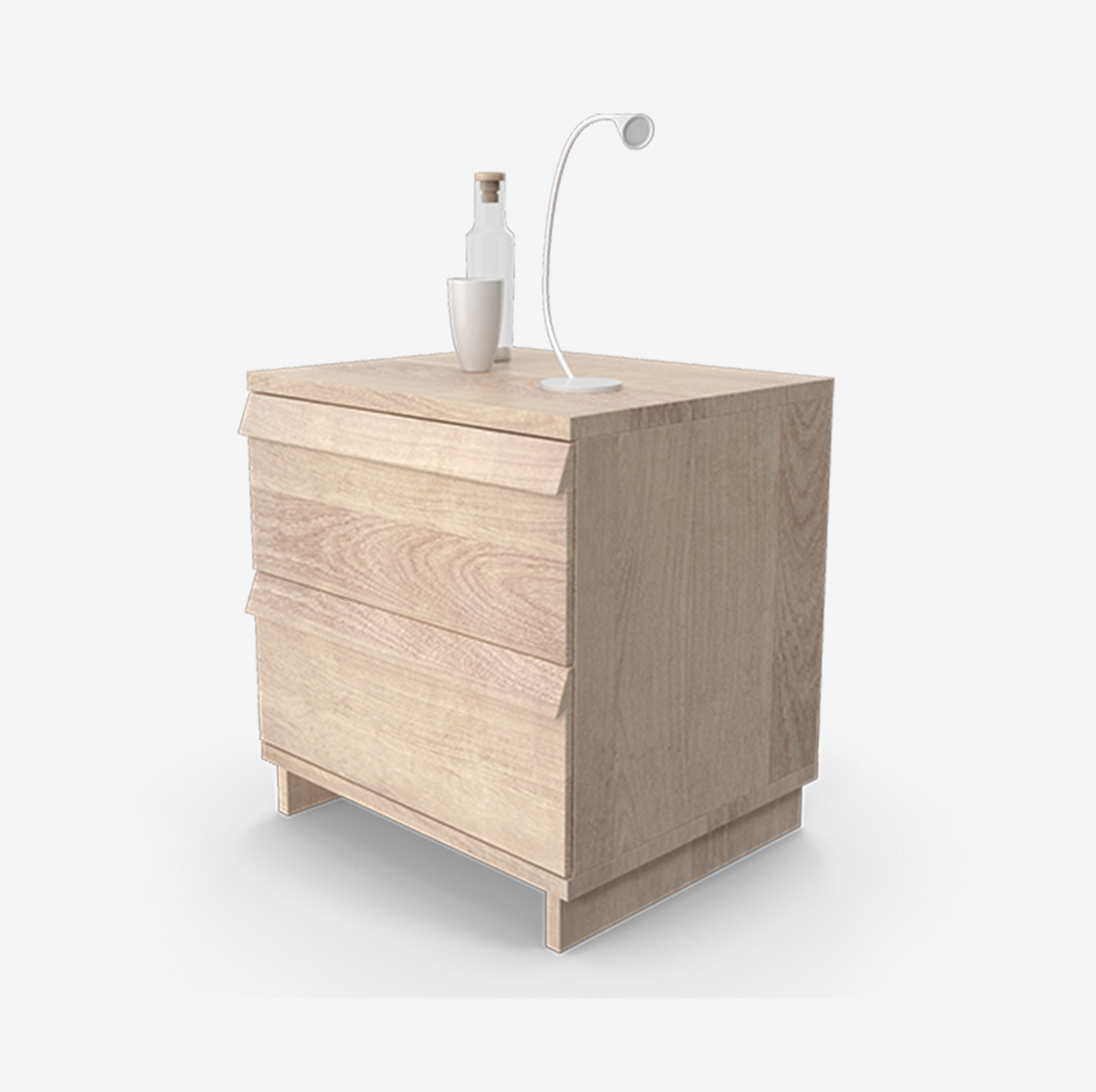
Small spaces tend to accumulate “homeless” items — extra linens,
serveware, chargers, mail. A sideboard gives all of it one closed-door
location instead of letting it spread across counters and tabletops.
See our sideboard
options for dining rooms and living rooms alike.
Three
Habits That Matter More Than Any Single Piece
Keep a consistent color palette. Furniture in the
same tonal family (say, warm neutrals or soft greys) visually recedes,
while a room full of contrasting colors and finishes reads as busier and
smaller than it is.
Choose fewer, better pieces over many small ones. A
small space with five thoughtfully chosen pieces almost always feels
calmer and larger than the same space with ten smaller, mismatched
ones.
Let furniture do double duty. Storage ottomans,
extendable tables, and consoles with drawers aren’t a compromise — in a
small space, they’re simply smarter design.
A Quick
Before-and-After: One Small Living Room, Reworked
Picture a 12×14 ft. apartment living room. Before:
an oversized three-seat sofa with a solid skirted base, a large square
coffee table, a bulky TV stand, and a floor lamp wedged into the last
open corner — every wall occupied, no clear walking path, and the room
feels smaller than its actual square footage.
After, using the same footprint: a slightly smaller
sofa with tapered legs against the long wall, a storage coffee table in
front of it, nesting accent tables tucked beside the sofa arm instead of
a second end table, and a media console against the opposite wall doing
the job the old TV stand and a bookshelf used to do separately. Nothing
about the room got bigger — but the sightlines opened up, the walking
path is now a clear diagonal instead of an obstacle course, and there’s
actual storage instead of visible clutter.
That’s the whole exercise in miniature: fewer pieces, each one
working harder, arranged so the eye (and your feet) have somewhere to
go.
Small-Space Furniture:
Common Questions
What size sofa fits a small living room? As a
starting point, a loveseat or a sofa under 72 inches wide comfortably
fits most small living rooms, but the real test is your own floor plan:
measure the wall you’re placing it against and make sure at least 30
inches of walking space remains in front of it. A slightly smaller sofa
with tapered legs will almost always read as “roomier” than a larger one
with a solid base, even at the same width.
Do storage ottomans really help in a small space?
Yes — an ottoman with a lift-top or interior storage compartment removes
the need for a separate blanket basket, side table, or extra seating
piece, which is exactly the kind of consolidation that makes small rooms
feel less crowded. The tradeoff is usually a slightly higher price point
than a basic ottoman, which is worth it if it’s replacing two other
pieces you’d otherwise need to buy.
How much furniture is too much for a small
apartment? A useful gut check: if you can’t walk a clear path
across the room without turning sideways, or every wall is occupied by a
large piece, it’s time to edit down rather than rearrange. Small spaces
generally look and feel best with one clear focal piece per wall, not
furniture pushed into every available corner.
Furnishing Your Next Room
Small-space living rewards intention: measuring before you buy,
choosing pieces that serve more than one purpose, and resisting the urge
to fill every corner just because it’s empty. If you’re furnishing a
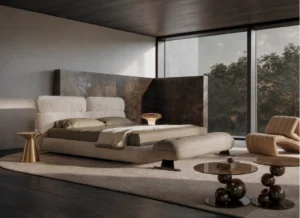
small bedroom next, our guide
to choosing a bed frame for a small bedroom covers the same
space-first approach for the one room where it matters most: where you
sleep.
Ready to see these pieces in person? Visit our San Jose showroom, or
browse the full Ayla Home
Collection online.